




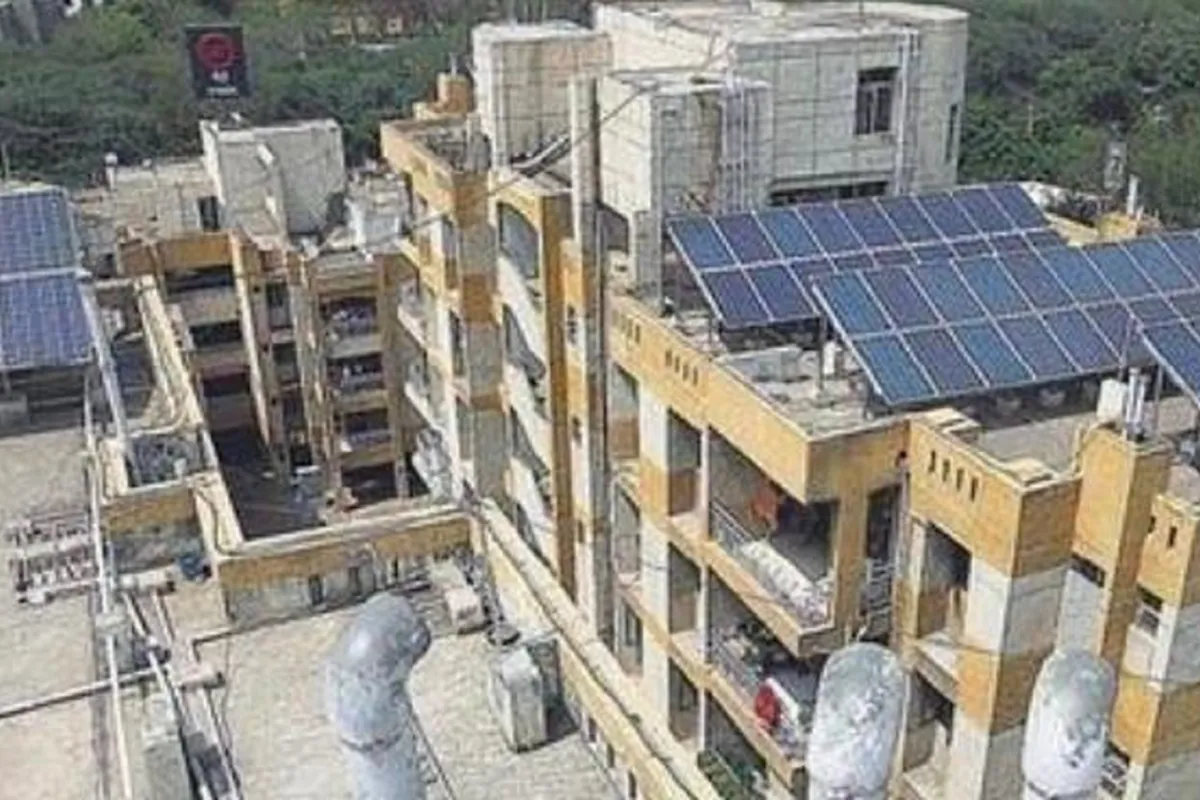
Lucknow’s rooftop solar story appears to be telling a very different tale from the broader national narrative. While questions have emerged over whether India’s ambitious rooftop-solar programme is slowing after its initial surge, available data suggests that Lucknow is not currently showing clear signs of a decline. Instead, the Uttar Pradesh capital has emerged as one of the strongest-performing markets under the Centre’s .PM Surya Ghar Muft Bijli Yojana
While this is the general consensus, in some localities on the outskirts of Lucknow, the enthusiasm seems to be waning.
In April 2026, Lucknow crossed 87,000 rooftop solar installations, reportedly making it the leading district in the country under the scheme. The figure, recorded as of April 15, came after the city added more than 3,000 installations during April alone.
So why is there a perception that rooftop solar installations could be declining?
Part of the answer may lie in the experience of the national programme. A Reuters report published in February 2026 found that the PM Surya Ghar programme was behind its original target of four million residential installations by March 2026. At that point, around 2.36 million installations had been completed. Reuters identified delays in loan approvals, documentation problems and reluctance among some banks and state utilities as important barriers.
Lucknow appears to have benefited from strong consumer interest and an expanding installation ecosystem. Uttar Pradesh has also continued to maintain dedicated institutional support through the Uttar Pradesh New and Renewable Energy Development Agency (UPNEDA), which lists rooftop solar programmes and continues to operate a dedicated Surya Ghar helpline.
The subsidy structure remains another major incentive. Under PM Surya Ghar, eligible households can receive substantial central financial assistance for residential rooftop systems. In Uttar Pradesh, additional state support has further strengthened the economics of installation, although the exact benefit depends on system size and applicable scheme rules.
Financing and administrative delays could also affect future growth. For now, however, the available evidence does not support the conclusion that rooftop solar installations are declining in Lucknow. If anything, the city’s position at the top of national installation rankings suggests continuing momentum.
The bigger question is whether Lucknow can maintain this pace as the market moves beyond its initial phase. Continued subsidies, faster approvals, easier financing, reliable net-metering systems and greater consumer awareness will be crucial. If these factors remain favourable, Lucknow could continue to serve as one of Uttar Pradesh’s strongest examples of how rooftops can become an important part of the city’s future energy infrastructure.
