




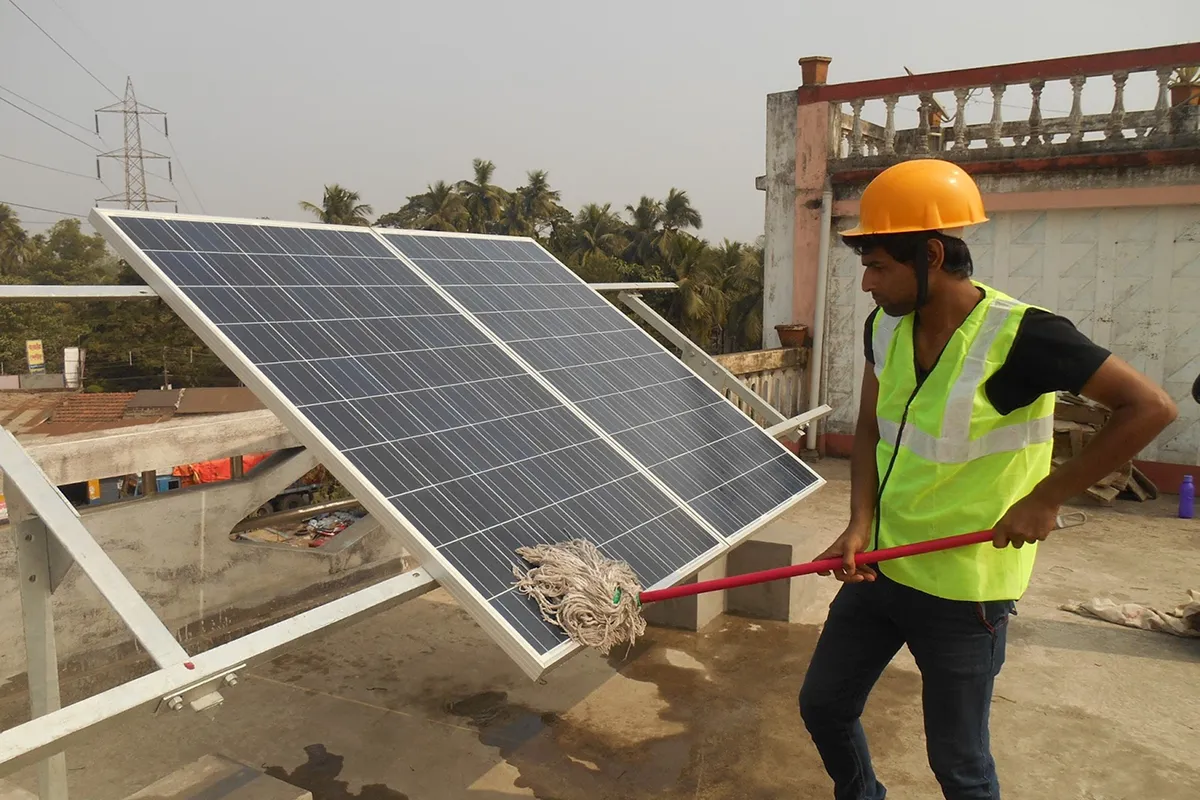
The solar energy industry is experiencing unprecedented growth as technological innovations, declining costs, and increasing global demand for clean electricity reshape the renewable energy landscape. Once considered an alternative source of power, solar energy has now become a mainstream solution for governments, businesses, and households seeking sustainable and cost-effective energy generation. In 2026, several emerging trends are accelerating the adoption of solar power and transforming the way electricity is produced, stored, and distributed.
One of the most significant developments is the rise of high-efficiency solar panels. Manufacturers are increasingly adopting advanced cell technologies such as TOPCon (Tunnel Oxide Passivated Contact) and Heterojunction (HJT) solar cells. These next-generation modules offer higher energy conversion rates compared to conventional photovoltaic panels, allowing users to generate more electricity from the same installation area. As efficiency improves, solar projects become more economically viable for both residential and commercial users.
Another major trend is the growing interest in perovskite solar technology. Perovskite materials have demonstrated remarkable efficiency gains in laboratory testing and are viewed as a potential breakthrough for the industry. Researchers are developing tandem solar cells that combine traditional silicon with perovskite layers, significantly increasing energy output. These innovations could eventually lead to solar panels capable of achieving efficiencies above 30 percent, making solar power even more competitive with conventional energy sources.
Energy storage integration has become a critical component of modern solar systems. Since solar generation depends on sunlight availability, battery storage solutions are helping address intermittency challenges. Lithium-ion batteries continue to dominate the market, but alternative technologies such as sodium-ion and solid-state batteries are gaining attention due to their potential for lower costs, improved safety, and longer lifespans. Solar-plus-storage systems are increasingly being deployed in homes, businesses, and utility-scale projects, enabling users to store excess electricity for use during peak demand periods.
Artificial intelligence (AI) and digital technologies are also revolutionizing solar power management. Smart monitoring systems now use machine learning algorithms to analyze weather patterns, predict energy production, and detect equipment issues before they impact performance. Predictive maintenance tools help operators reduce downtime and maintenance costs while maximizing energy output. AI-driven energy management platforms are becoming essential for optimizing large-scale solar installations and improving grid reliability.
The adoption of bifacial solar modules is another important trend gaining momentum worldwide. Unlike traditional solar panels that absorb sunlight from only one side, bifacial modules generate electricity from both front and rear surfaces. This design increases overall energy production, particularly in utility-scale installations where reflective surfaces can enhance rear-side light capture. As manufacturing costs decline, bifacial technology is becoming increasingly attractive for large solar farms.
Floating solar power plants, often referred to as floatovoltaics, are emerging as an innovative solution to land scarcity. These systems are installed on reservoirs, lakes, and other water bodies, allowing developers to generate renewable energy without consuming valuable land resources. In addition to conserving land, floating solar panels benefit from the cooling effect of water, which can improve operational efficiency and reduce panel degradation over time.
Another growing trend is the integration of solar energy with electric vehicle (EV) infrastructure. Businesses and municipalities are increasingly installing solar-powered charging stations to support the rapid expansion of electric mobility. This combination creates a cleaner transportation ecosystem while reducing dependence on fossil fuels and grid-supplied electricity.
Grid modernization is also playing a key role in the future of solar energy. Utilities are investing in smart inverters, advanced forecasting systems, and digital grid management technologies to accommodate rising levels of renewable energy generation. These innovations help maintain grid stability while enabling the seamless integration of distributed solar resources.
As governments continue to pursue ambitious climate targets and energy security goals, solar power is expected to remain one of the fastest-growing sources of electricity worldwide. Advances in panel efficiency, energy storage, artificial intelligence, and smart grid technologies are not only making solar energy more affordable but also positioning it as a cornerstone of the global clean energy transition. The coming years are likely to witness even greater innovation, further strengthening solar power’s role in creating a sustainable and resilient energy future.
