




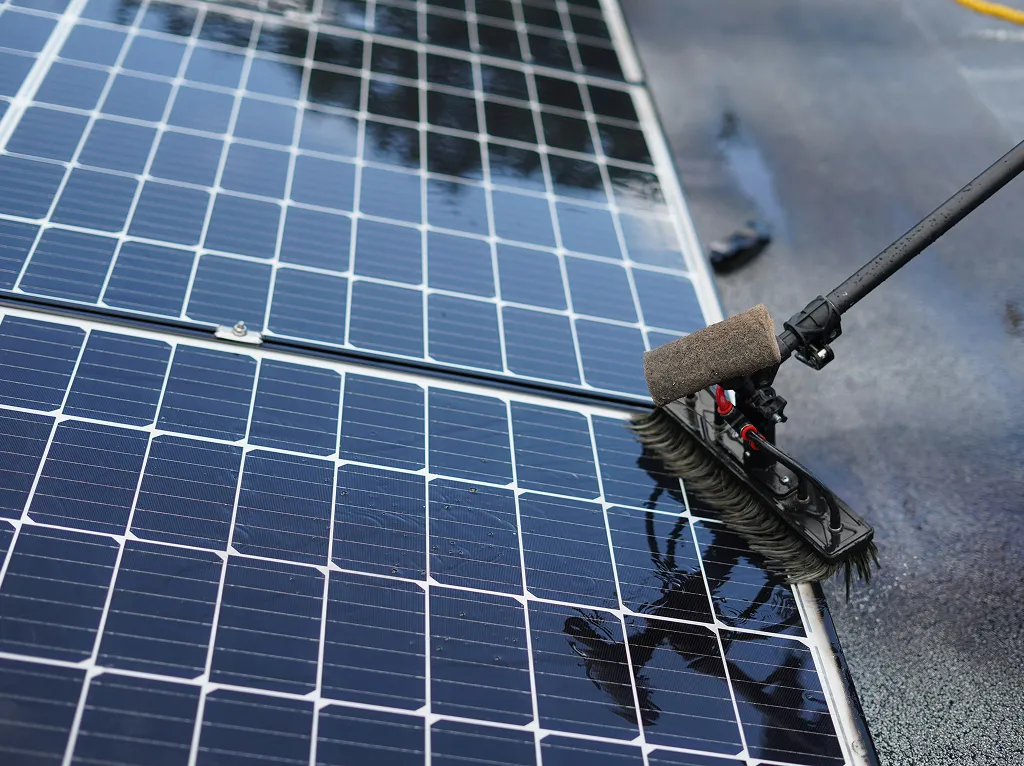
The global solar energy sector is undergoing a significant technological transformation as researchers, manufacturers, and energy companies introduce innovative solutions aimed at improving efficiency, reducing costs, and enhancing grid integration. Industry experts believe these technical advancements will play a crucial role in accelerating the transition toward clean and sustainable energy systems worldwide.
One of the most notable trends in the solar industry is the growing adoption of high-efficiency photovoltaic (PV) cells. Traditional silicon-based solar panels are increasingly being replaced by advanced technologies such as TOPCon (Tunnel Oxide Passivated Contact) and Heterojunction (HJT) solar cells. These next-generation modules offer higher energy conversion efficiencies, enabling users to generate more electricity from the same rooftop or land area.
Another breakthrough gaining momentum is the development of perovskite solar cells. Researchers have achieved significant improvements in the stability and performance of perovskite materials, which are known for their low manufacturing costs and high efficiency potential. Industry analysts predict that tandem solar cells combining silicon and perovskite layers could soon exceed efficiency levels of 30 percent, marking a major leap from conventional solar technologies.
Energy storage integration is also emerging as a key trend in the renewable energy sector. As solar power generation fluctuates with weather conditions and daylight availability, battery energy storage systems (BESS) are becoming increasingly important. Advanced lithium-ion batteries, along with newer technologies such as sodium-ion and solid-state batteries, are helping households, businesses, and utilities store excess solar power for use during peak demand periods.
Artificial intelligence (AI) and digital monitoring technologies are further transforming solar operations. Smart solar plants now utilize AI-driven analytics to predict energy generation, detect equipment faults, and optimize maintenance schedules. Predictive maintenance systems can identify performance issues before they result in significant energy losses, improving reliability and reducing operational costs.
The rise of bifacial solar modules is another important development. Unlike conventional panels that capture sunlight from only one side, bifacial panels generate electricity from both front and rear surfaces. This technology increases overall energy output, particularly in utility-scale solar projects where reflective ground surfaces can enhance rear-side energy generation.
Floating solar farms, commonly known as floatovoltaics, are gaining popularity in regions facing land constraints. By installing solar panels on reservoirs, lakes, and water bodies, developers can generate clean energy without occupying valuable agricultural or urban land. Additionally, the cooling effect of water can improve panel performance and efficiency.
Grid modernization is also becoming essential as solar penetration increases. Utilities are investing in smart inverters, advanced forecasting systems, and digital grid management tools to handle the growing share of renewable energy. These technologies enable better voltage control, frequency regulation, and seamless integration of distributed solar resources.
Industry observers note that declining manufacturing costs, combined with continuous innovation, are making solar energy more accessible than ever before. Governments across the world are supporting deployment through incentives, research funding, and renewable energy targets aimed at reducing carbon emissions.
As technological advancements continue to reshape the sector, solar energy is expected to become an even more dominant source of electricity generation in the coming decade. Experts believe the combination of high-efficiency panels, energy storage, artificial intelligence, and smart grid infrastructure will define the next phase of growth in the global renewable energy landscape.
