




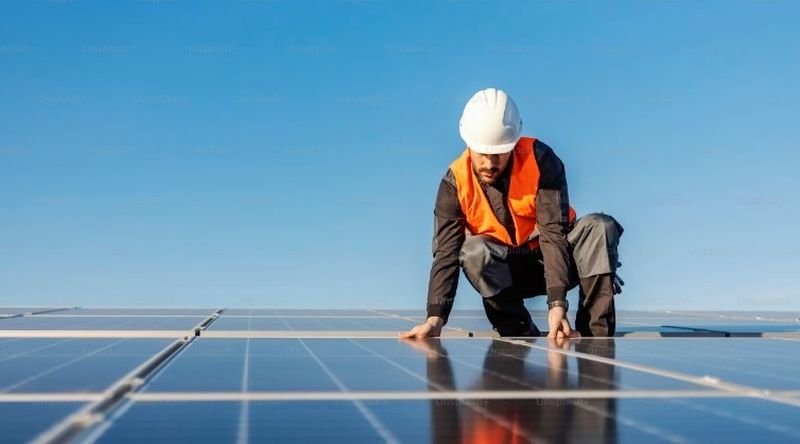
The solar energy sector in Uttar Pradesh has witnessed remarkable growth over the past few years. Rising electricity tariffs, government incentives, and increasing awareness about renewable energy have encouraged thousands of households, businesses, and institutions to invest in rooftop solar systems. However, consumers planning to install solar power systems in 2026 are facing a new challenge: an increase in the overall cost of solar panel installations.
While solar energy continues to be one of the most cost-effective long-term investments, the prices of solar panels and related components have shown signs of upward movement in recent months. Industry reports indicate that solar module prices have risen compared to the lows witnessed in previous years, primarily due to changes in global supply chains, higher manufacturing costs, and increasing demand for advanced solar technologies.
One of the primary reasons for the increase in installation costs is the growing demand for high-efficiency solar modules such as TOPCon and bifacial panels. These modern technologies offer better power generation and improved performance but come at a higher price compared to conventional panels. As more consumers seek maximum output from limited rooftop space, installers are increasingly recommending premium products, which naturally raises project costs.
Another factor contributing to higher installation expenses is the rising cost of balance-of-system components. Inverters, mounting structures, electrical wiring, and installation hardware account for a significant portion of a solar project’s budget. Fluctuations in the prices of metals such as aluminum and steel have increased the cost of mounting structures and support systems used in rooftop installations. Global commodity price movements continue to influence solar project economics across various markets.
Labour and logistics costs have also increased. Transportation expenses, fuel prices, and the cost of skilled manpower have risen over the past year. Solar installation companies operating in cities such as Lucknow, Kanpur, Varanasi, Prayagraj, and Agra are reporting higher operational costs, which are gradually being reflected in customer quotations. As the demand for rooftop solar systems grows, the need for trained technicians and engineers has increased, adding further pressure to project budgets.
Despite these cost increases, the solar market in Uttar Pradesh remains highly active. The state has emerged as one of India’s leading regions for residential rooftop solar adoption, supported by government initiatives and simplified approval processes. Continued growth in installations demonstrates that consumers still view solar energy as a financially attractive option despite higher upfront costs.
Government subsidy schemes continue to play a crucial role in maintaining affordability. Programs such as the PM Surya Ghar initiative help reduce the effective cost of residential rooftop systems, enabling homeowners to recover their investment through savings on electricity bills over the long term. Although installation costs may have increased, subsidies and net-metering benefits continue to make solar power an economically viable solution for many families.
Industry experts believe that the current price increase should be viewed in the context of a maturing solar market. Consumers are increasingly choosing higher-quality equipment with longer warranties, greater efficiency, and better reliability. While the initial investment may be higher, these systems often deliver superior energy generation and improved returns over their operational lifespan.
In conclusion, solar panel installation costs in Uttar Pradesh are expected to remain higher than the levels seen during previous years. Factors such as rising module prices, increased material costs, higher labour expenses, and growing demand for advanced technologies are driving this trend. Nevertheless, solar energy continues to offer substantial long-term savings, energy independence, and environmental benefits. For homeowners and businesses considering a solar installation, early planning and selecting a reputable installer can help maximize value while taking advantage of available government incentives.
